
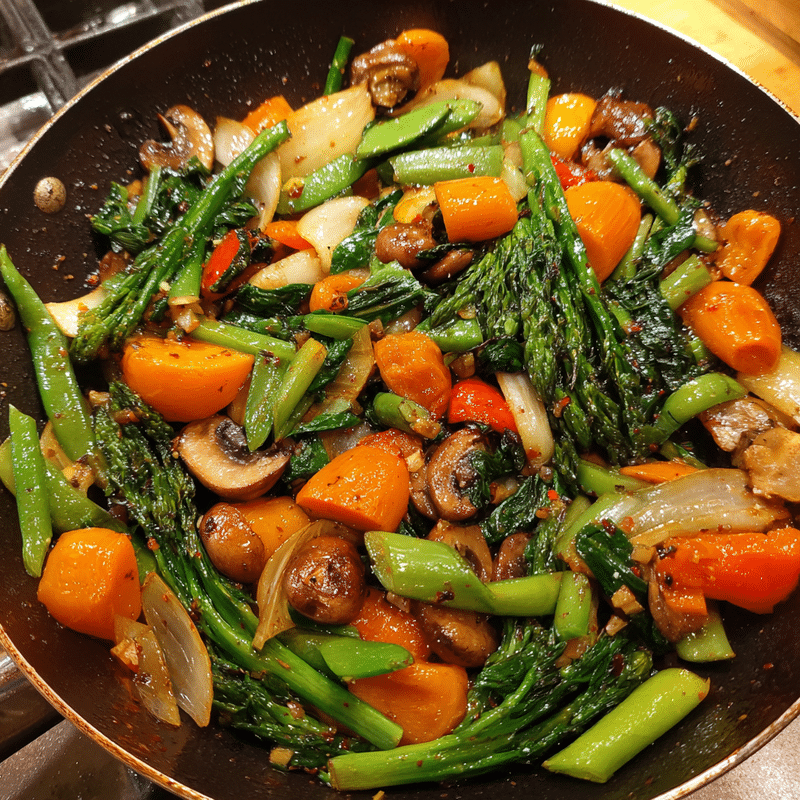
Healthy sautéed vegetables if you’ve ever found yourself staring at a pan of soggy, flavorless vegetables that taste more like mush than the vibrant produce you started with, you’re not alone.
I’m Jack from Cooks Foody, and this culinary struggle is exactly what launched my journey into perfecting the art of vegetable cookery. What began as countless failed attempts at making vegetables exciting has evolved into our team’s mission to transform how home cooks approach plant-based cooking.
These healthy sautéed vegetables will become your go-to method for creating restaurant-quality dishes that retain their color, crunch, and nutrients all while bursting with flavor that even the pickiest eaters will crave.
Working alongside my talented team members Elizabeth Harper from Austin, who brings her flair for comfort-meets-global cuisine, and Daniel Brooks from Portland, whose creative kitchen exploration knows no bounds, we’ve spent years perfecting these techniques through trial, delicious error, and plenty of seasoning discoveries.
Throughout this guide, you’ll discover our five foolproof sautéing methods, vegetable selection secrets that guarantee perfect results, timing techniques that preserve nutrients, and flavor combinations that will revolutionize your weeknight dinners.
Why This Healthy Sautéed Vegetables Recipe Works
The magic behind healthy sautéed vegetables lies in the perfect balance of high heat, proper timing, and strategic seasoning that creates maximum flavor while preserving nutritional value. Here’s why our approach consistently delivers restaurant-quality results:
• Uses affordable, seasonal vegetables available year-round from basic carrots and broccoli to more adventurous options like bok choy and rainbow chard
• Ready in 8-12 minutes for maximum nutrient retention quick cooking preserves vitamins and maintains that perfect tender-crisp texture
• Perfect for weeknight dinners or elegant entertaining versatile enough to serve alongside simple grilled proteins or as part of an elaborate dinner party spread
• Minimal cleanup with maximum impact one pan, endless possibilities, and flavors that make vegetables the star of the meal
Choosing the Right Vegetables for Healthy Sautéed Vegetables
Selecting the proper vegetables is critical for achieving that perfect healthy sautéed vegetables outcome that balances texture, flavor, and cooking time.
Best Vegetables for Sautéing
Quick-cooking options work best because they maintain their structure while absorbing flavors beautifully. Bell peppers provide natural sweetness and vibrant color, while zucchini and yellow squash offer mild flavors that pair well with bold seasonings. Mushrooms release their natural umami when properly sautéed, and leafy greens like spinach and kale add nutritional density without overwhelming other ingredients.
Medium-cooking vegetables like broccoli florets, cauliflower, and Brussels sprouts need slightly longer cooking times but reward patience with incredible depth of flavor.
Buying Tips
Look for vegetables with bright, vibrant colors and firm textures avoid anything with soft spots, wilted leaves, or dull appearances. Visit your local farmers market for peak-season produce, or ask grocery store staff about their freshest arrivals. Store vegetables properly: keep hearty vegetables like Brussels sprouts in the refrigerator crisper drawer, while tomatoes and peppers do better at room temperature.
Substitutions
Swap summer squash for zucchini in any recipe, replace bell peppers with poblano peppers for mild heat, or substitute kale for spinach when you want heartier greens that hold up to longer cooking times.
Ingredients & Prep for Healthy Sautéed Vegetables
Vegetable Prep Essentials
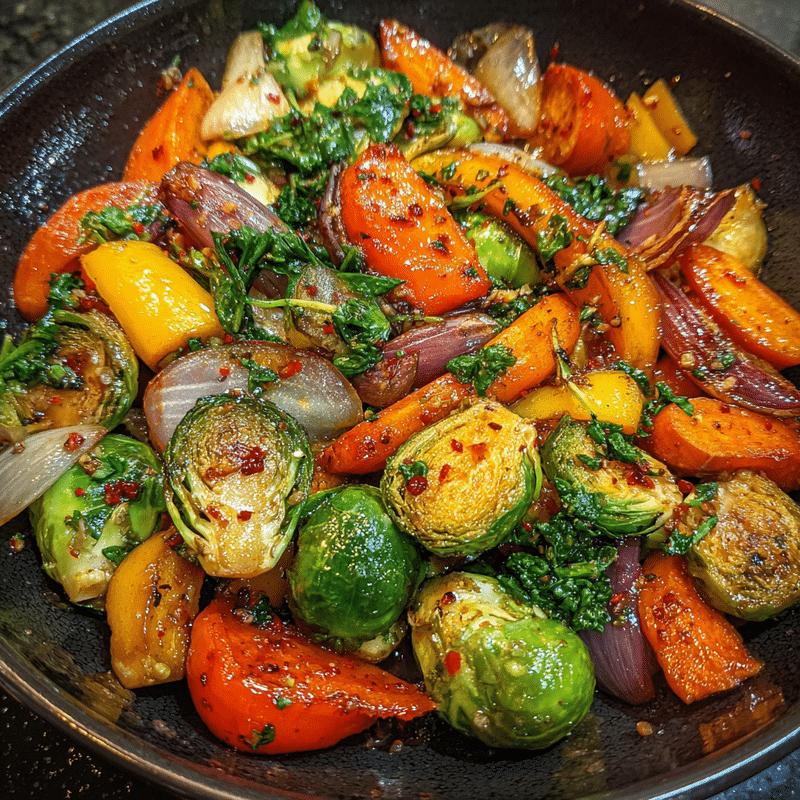
Proper preparation ensures your healthy sautéed vegetables cook evenly and maintain their appealing texture. Wash all vegetables thoroughly, then dry completely to prevent oil spattering. Cut vegetables into uniform sizes aim for pieces between ½-inch and 1-inch to ensure even cooking.
Remove tough stems from broccoli and cauliflower, slice bell peppers into strips, and cut root vegetables like carrots on the diagonal for faster cooking and elegant presentation.
Seasoning Blends & Flavor Boosters
Basic Mediterranean Blend:
- Extra virgin olive oil
- Minced garlic
- Fresh lemon juice
- Dried oregano
- Sea salt and black pepper
Asian-Inspired Mix:
- Sesame oil
- Fresh ginger
- Soy sauce
- Rice vinegar
- Red pepper flakes
Garden Herb Combination:
- Butter or olive oil
- Fresh thyme
- Fresh rosemary
- Fresh parsley
- Garlic powder
Pantry Staples
Quality cooking oils are essential olive oil for Mediterranean flavors, avocado oil for high-heat cooking, and sesame oil for finishing touches. Keep fresh garlic, lemons, and onions on hand as they form the flavor foundation for countless healthy sautéed vegetables combinations.
Stock your spice cabinet with sea salt, freshly ground black pepper, smoked paprika, and dried herbs like thyme and oregano for quick seasoning solutions.
Step-by-Step Cooking Instructions for Healthy Sautéed Vegetables
Pre-Cooking Prep for Healthy Sautéed Vegetables
Heat your pan over medium-high heat for 2-3 minutes before adding oil this prevents sticking and ensures even cooking. Choose a wide skillet or wok that gives vegetables plenty of space; overcrowding creates steam instead of the desired sear that makes healthy sautéed vegetables so appealing.
Arrange prepped vegetables near your cooking area in order of cooking time hardest vegetables first, most delicate last.
Cooking Method for Healthy Sautéed Vegetables
Add 1-2 tablespoons of oil to your heated pan and swirl to coat. Start with harder vegetables like carrots, broccoli stems, or Brussels sprouts, cooking for 3-4 minutes while stirring occasionally. Add medium-cooking vegetables like bell peppers, zucchini, and broccoli florets, cooking another 2-3 minutes.
Finally, add quick-cooking items like leafy greens, cherry tomatoes, and fresh herbs during the last 1-2 minutes of cooking time.
Doneness Check for Healthy Sautéed Vegetables
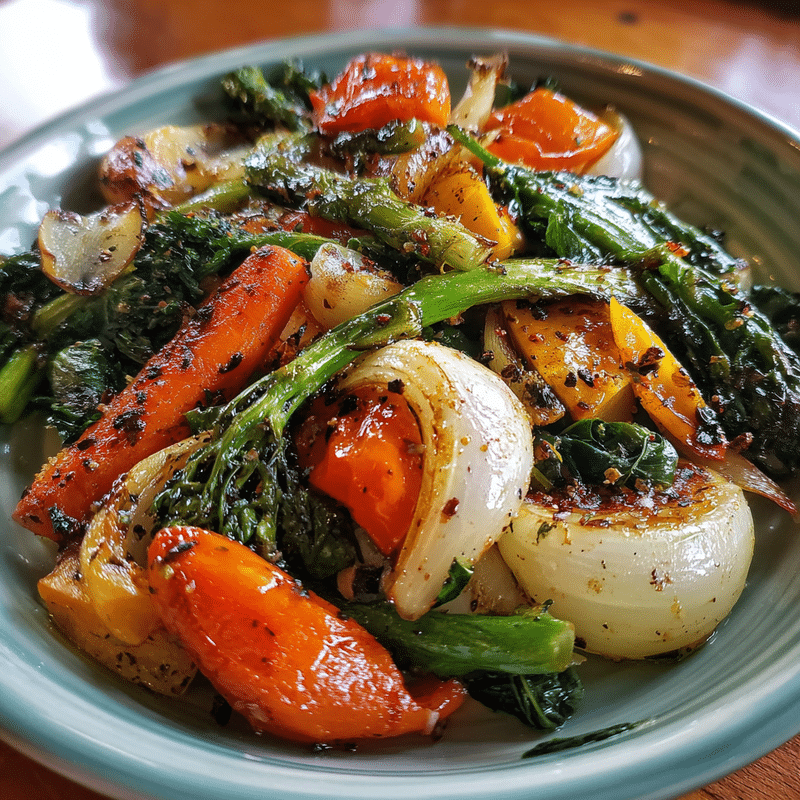
Perfect healthy sautéed vegetables should be tender-crisp easily pierced with a fork but still offering slight resistance. Colors should be vibrant and intensified, not dull or gray. Taste-test frequently during the last few minutes of cooking, adjusting seasoning as needed.
Finishing Touches for Healthy Sautéed Vegetables
Remove the pan from heat and immediately add fresh herbs, a squeeze of lemon juice, or a drizzle of high-quality olive oil. These finishing touches brighten flavors and add complexity to your healthy sautéed vegetables without additional cooking time.
Pro Tips for Perfect Healthy Sautéed Vegetables
Avoiding Soggy or Overcooked Vegetables for Healthy Sautéed Vegetables
Never overcrowd your pan cook in batches if necessary to maintain proper heat and prevent steaming. Pat vegetables completely dry before cooking, and resist the urge to stir constantly. Let vegetables develop some caramelization by allowing them to cook undisturbed for 1-2 minutes between stirs.
Tool Recommendations for Healthy Sautéed Vegetables
A large, heavy-bottomed skillet or wok distributes heat evenly and prevents hot spots that can burn delicate vegetables. Sharp knives ensure clean cuts that cook evenly, while wooden or silicone spatulas won’t scratch your cookware surfaces.
Storage & Reheating for Healthy Sautéed Vegetables
Store leftover healthy sautéed vegetables in the refrigerator for up to 4 days in airtight containers. Reheat gently in a skillet over medium heat rather than the microwave to maintain texture. Add a splash of broth or water if vegetables seem dry during reheating.
For even more creative cooking inspiration and seasonal recipe ideas, check out our Pinterest collection at pinterest where Elizabeth and Daniel share their latest kitchen experiments and flavor discoveries that will spark your culinary imagination!
Flavor Variations for Healthy Sautéed Vegetables
Creating diverse flavor profiles keeps healthy sautéed vegetables exciting and ensures they complement any meal style or dietary preference.
Spicy Twist for Healthy Sautéed Vegetables
Transform mild vegetables into exciting side dishes by adding red pepper flakes during the last minute of cooking, or finish with a drizzle of sriracha mixed with honey for sweet heat balance.
Mediterranean Style for Healthy Sautéed Vegetables
Combine olive oil, fresh lemon juice, oregano, and a handful of fresh basil leaves for bright, herb-forward healthy sautéed vegetables that pair beautifully with grilled fish or roasted chicken.
Global Flavors for Healthy Sautéed Vegetables
Asian-inspired combinations use sesame oil, fresh ginger, and a splash of rice vinegar, while Mexican-influenced variations incorporate cumin, smoked paprika, and fresh cilantro for bold, warming flavors.
| Flavor Profile | Base Oil | Primary Seasonings | Finishing Touch | Best Vegetable Pairings |
|---|---|---|---|---|
| Mediterranean | Olive Oil | Garlic, Oregano, Lemon | Fresh Basil | Zucchini, Bell Peppers, Tomatoes |
| Asian-Inspired | Sesame Oil | Ginger, Soy Sauce | Rice Vinegar | Bok Choy, Snap Peas, Mushrooms |
| Mexican-Style | Avocado Oil | Cumin, Paprika | Lime Juice, Cilantro | Bell Peppers, Onions, Jalapeños |
| Garden Fresh | Butter/Olive Oil | Fresh Thyme, Rosemary | Parsley | Carrots, Brussels Sprouts, Green Beans |
| Spicy Kick | Olive Oil | Red Pepper Flakes, Garlic | Sriracha Drizzle | Any hearty vegetables |
Serving Suggestions for Healthy Sautéed Vegetables
Healthy sautéed vegetables shine as both supporting players and main attractions depending on your meal planning approach.
Pair Mediterranean-style vegetables with grilled fish and quinoa pilaf, or serve Asian-inspired combinations alongside steamed brown rice and baked tofu. For heartier meals, these vegetables complement roasted chicken beautifully, or try them over pasta with a light olive oil sauce.
Create colorful grain bowls by serving healthy sautéed vegetables over farro, bulgur, or wild rice, topped with toasted nuts and a simple vinaigrette. They also make excellent additions to frittatas, grain salads, and wrap fillings for quick lunch solutions.
Looking for more inspiration for your holiday entertaining? Our festive caramel apple slices make perfect seasonal desserts that complement savory vegetable dishes beautifully.
FAQs About Healthy Sautéed Vegetables
Can I use frozen vegetables for healthy sautéed vegetables?
While fresh vegetables provide the best texture, frozen vegetables can work if properly thawed and thoroughly dried first. Expect slightly softer results, but flavors will still be delicious.
How do I fix overcooked healthy sautéed vegetables?
Unfortunately, overcooked vegetables can’t be “undone,” but you can repurpose them into soups, sauces, or grain bowls where softer texture is actually desirable.
What’s the best oil for healthy sautéed vegetables?
Olive oil works well for medium-heat cooking, while avocado oil handles higher temperatures better. Choose oils based on your desired flavor profile and cooking temperature.
Can I meal prep healthy sautéed vegetables?
Absolutely! Cook vegetables until just tender-crisp, then store in refrigerator containers. They’ll finish cooking slightly when reheated, reaching perfect doneness.
How do I prevent vegetables from sticking to the pan?
Ensure your pan is properly heated before adding oil, use enough fat to coat the bottom, and avoid moving vegetables too frequently during initial cooking.
For more delicious recipe ideas that complement these vegetable dishes, don’t miss our chocolatey candy cane brownie bombs perfect for rounding out any meal with a sweet finish!
Conclusion
Healthy sautéed vegetables represent the perfect intersection of nutrition, flavor, and convenience that every home cook can master with the right techniques and a little practice. Whether you’re preparing a quick weeknight side dish or planning an elaborate dinner party spread, these five methods will transform ordinary vegetables into extraordinary culinary experiences.
Print
Healthy Sautéed Vegetables: 5 Delicious Ways to Cook
- Total Time: 20 mins
- Yield: 4 servings 1x
Description
A quick and colorful medley of sautéed vegetables tossed in olive oil, garlic, and herbs a healthy, vibrant side dish that pairs beautifully with any meal.
Ingredients
1 tbsp olive oil
1/2 red bell pepper, sliced
1/2 yellow bell pepper, sliced
1 small zucchini, sliced into half-moons
1 small yellow squash, sliced
1 cup broccoli florets
1 small carrot, julienned or thinly sliced
2 garlic cloves, minced
Salt and black pepper, to taste
1/2 tsp Italian seasoning or dried thyme
Optional: squeeze of lemon juice or sprinkle of parmesan
Instructions
1. Heat olive oil in a large skillet over medium heat.
2. Add garlic and sauté for 30 seconds until fragrant.
3. Add carrots and broccoli; cook for 2–3 minutes.
4. Add bell peppers, zucchini, and squash.
5. Season with salt, pepper, and Italian herbs.
6. Sauté 5–7 minutes, stirring often, until vegetables are tender-crisp.
7. Finish with lemon juice or parmesan, if desired, and serve warm.
Notes
Use your favorite seasonal vegetables like mushrooms, asparagus, or snap peas.
Add cooked chicken or tofu for a complete meal.
Perfect as a side for fish, pasta, or grain bowls.
- Prep Time: 10 mins
- Cook Time: 10 mins
- Category: Side Dish
- Method: Sautéed
- Cuisine: American
Nutrition
- Serving Size: 1 cup
- Calories: 110
- Sugar: 5g
- Sodium: 180mg
- Fat: 7g
- Saturated Fat: 1g
- Unsaturated Fat: 5g
- Trans Fat: 0g
- Carbohydrates: 10g
- Fiber: 3g
- Protein: 2g
- Cholesterol: 0mg
Keywords: sautéed vegetables, healthy side dish, quick vegetable recipe, easy skillet veggies