
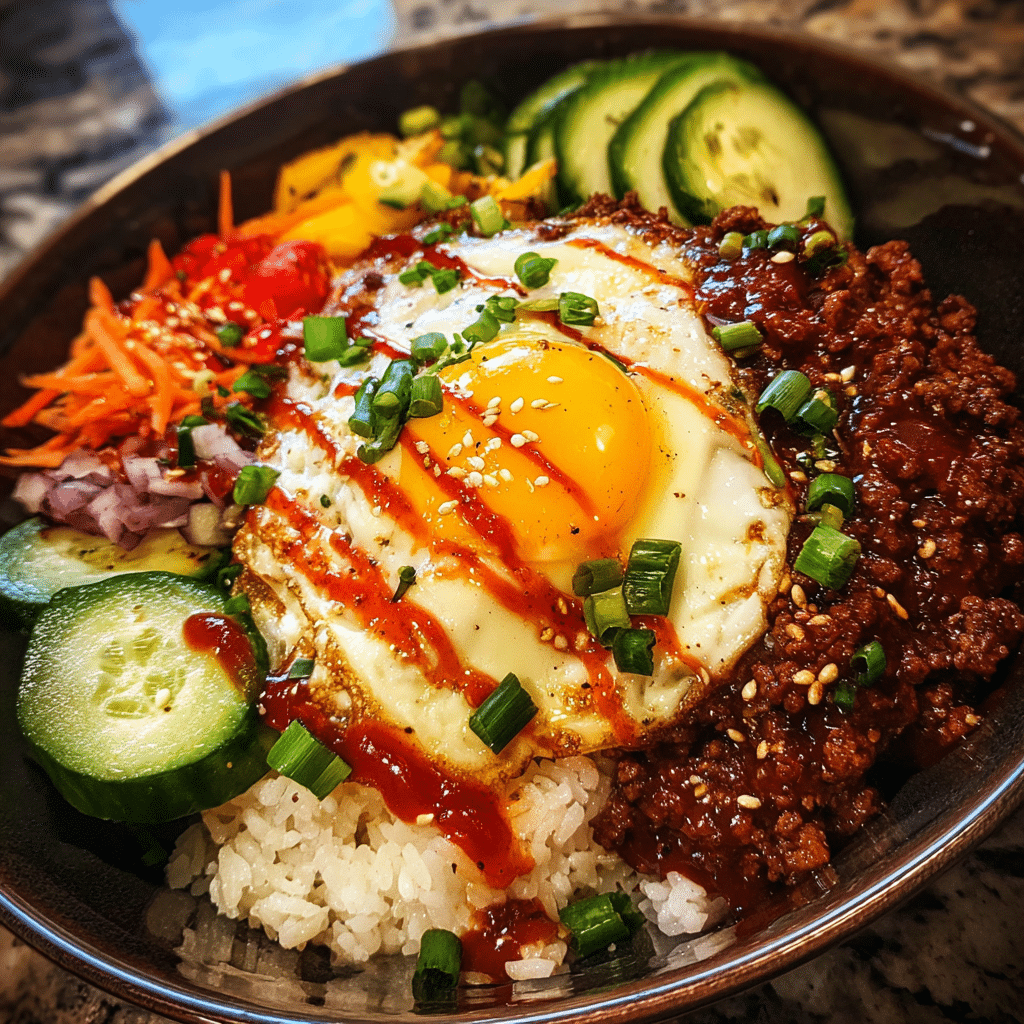
Korean Ground Beef Bowl transformed my approach to weeknight cooking, and I’m excited to share this game-changing recipe with you today.
Hi, I’m Jack, and welcome to my kitchen at Cooks Foody! Like many busy home cooks, I used to struggle with the same dinner dilemma: craving bold, satisfying flavors but lacking the time or energy for complicated recipes.
Too often, I’d settle for boring, bland ground beef dishes that left my family underwhelmed and reaching for condiments to salvage their meals.
This Korean ground beef bowl delivers an explosion of sweet, savory, and slightly spicy flavors in just 15 minutes from start to finish. After years of experimenting with Korean-inspired dishes and perfecting the balance of traditional ingredients with accessible pantry staples, I’ve created a version that tastes authentically delicious without requiring a trip to specialty stores. The result? Tender, caramelized beef coated in a glossy sauce that rivals your favorite Korean restaurant.
In this comprehensive guide, I’ll walk you through everything you need to master this recipe: selecting the best ground beef, understanding the essential flavor components, achieving that perfect caramelized texture, and exploring endless customization options.
You’ll also discover my pro tips for meal prep, storage hacks, and answers to all your burning questions about creating this crowd-pleaser at home.
Why This Korean Ground Beef Bowl Recipe Works
This Korean ground beef bowl has become a weekly staple at Cooks Foody for several compelling reasons that busy home cooks truly appreciate:
- Uses affordable, easy-to-find ground beef No expensive cuts or specialty meats required, making this incredibly budget-friendly at under $3 per serving
- Ready in just 15 minutes from pan to plate Faster than ordering takeout and infinitely more delicious
- Requires minimal prep work No marinating overnight or complex knife skills needed
- One-pan cooking eliminates cleanup hassle Everything cooks in a single skillet, leaving you with minimal dishes
- Perfect for weeknight dinners or meal prep Doubles easily and reheats beautifully throughout the week
- Naturally gluten-free with simple swaps Use tamari instead of soy sauce for a gluten-free version
- Kid-approved flavor profile The sweet-savory balance appeals to even picky eaters
Choosing the Right Meat for Korean Ground Beef Bowl
The foundation of an exceptional Korean ground beef bowl starts with selecting the right ground beef. Let me share the insights I’ve gathered from making this recipe countless times.
Best Ground Beef for This Recipe
Fat content matters tremendously: I’ve tested this recipe with every fat ratio available, and 85/15 (85% lean, 15% fat) consistently produces the best results. Here’s why each ratio performs differently:
80/20 ground beef: Creates the richest, most flavorful bowl with incredible juiciness. The extra fat helps carry the flavors beautifully, though you’ll need to drain excess grease before adding the sauce. This is my personal favorite for maximum flavor.
85/15 ground beef: The sweet spot that balances flavor and health consciousness. Provides enough fat for taste and moisture without excessive grease. This is what I recommend for most home cooks.
90/10 ground beef: Works well if you’re watching fat intake, but the beef can turn slightly dry if overcooked. Add a tablespoon of sesame oil to compensate for the lower fat content.
93/7 or leaner: Not recommended for this recipe. The beef becomes dry and crumbly, and the sauce doesn’t coat as nicely. Save the ultra-lean beef for recipes with added moisture.
Buying Tips for Korean Ground Beef Bowl
When selecting ground beef at your grocery store or butcher, follow these guidelines:
Color check: Look for bright cherry-red beef, indicating freshness and proper oxygenation. Avoid any packages with brownish or gray patches, which suggest aging or improper storage.
Package inspection: Choose packages without excessive liquid pooling at the bottom. This liquid indicates the beef has been sitting too long or was previously frozen.
Grind texture: If buying from a butcher counter, request a medium grind rather than fine. Medium grind creates better texture and doesn’t turn mushy when cooked.
Source matters: Grass-fed beef offers a deeper, more complex flavor and better nutritional profile. However, conventional ground beef works perfectly fine and keeps costs down.
Ask your butcher: Don’t hesitate to ask when the beef was ground. Ideally, purchase beef ground the same day for optimal freshness and food safety.
Meat Substitutions for Korean Ground Beef Bowl
While beef is traditional, this sauce adapts beautifully to other proteins:
Ground turkey (93/7): Creates a lighter version with similar texture. Add extra sesame oil to prevent dryness and boost the fat content slightly.
Ground chicken: Even leaner than turkey, so definitely add 2 tablespoons of oil. The flavor is milder, so consider increasing the ginger and garlic.
Plant-based ground meat: Impossible or Beyond Meat work surprisingly well. Follow package instructions for browning, then proceed with the sauce as written.
Ground lamb: For an adventurous twist, lamb’s robust flavor pairs beautifully with Korean spices. Use 85/15 ratio and reduce garlic slightly as lamb can be gamy.
Ingredients & Prep for Korean Ground Beef Bowl

Let me break down the essential components that create this irresistible dish.
Ground Beef Prep Essentials
Bring meat to room temperature: Remove ground beef from the refrigerator 20 minutes before cooking. Cold meat dropped into a hot pan steams instead of browning, resulting in gray, boiled-looking beef instead of caramelized perfection.
Don’t break it up immediately: This is counterintuitive but crucial. When beef first hits the hot pan, let it sit undisturbed for 2-3 minutes to develop a golden-brown crust before breaking it apart.
Break into small, bite-sized crumbles: Use a wooden spoon or potato masher to break the beef into small pieces (roughly pea-sized). This creates more surface area for the sauce to coat and ensures even flavor distribution.
Season the meat itself: Before adding sauce, season the browning beef with a pinch of salt and pepper. This builds layers of flavor rather than relying solely on the sauce.
Korean Sauce Components
Here’s what creates that addictive sweet-savory-spicy glaze:
- 1.5 pounds ground beef (85/15 ratio recommended)
- 1/3 cup low-sodium soy sauce (or tamari for gluten-free)
- 3 tablespoons brown sugar (light or dark)
- 2 tablespoons honey
- 1 tablespoon sesame oil (toasted for deeper flavor)
- 5 cloves garlic, minced
- 1 tablespoon fresh ginger, grated
- 1/2 teaspoon red pepper flakes (adjust for heat preference)
- 1/4 teaspoon black pepper
- 2 green onions, sliced (white and green parts separated)
- 1 tablespoon rice vinegar
- 1 teaspoon cornstarch mixed with 2 teaspoons water (optional, for thicker sauce)
- Sesame seeds for garnish
- Additional green onions for serving
No marinating required: Unlike many meat recipes, the Korean ground beef bowl doesn’t require advance marinating. The sauce cooks directly with the beef, allowing flavors to penetrate as the liquid reduces and concentrates.
Pantry Staples for Korean Ground Beef Bowl
Stock these essentials for spontaneous Korean-inspired dinners:
- Low-sodium soy sauce (controls saltiness better than regular)
- Brown sugar (adds molasses depth that white sugar can’t match)
- Sesame oil (a little goes a long way for authentic flavor)
- Fresh garlic and ginger (jarred versions work in a pinch but lack punch)
- Rice vinegar (balances sweetness with gentle acidity)
- Red pepper flakes (gochugaru Korean pepper flakes are ideal, but standard red pepper flakes work)
Step-by-Step Cooking Instructions for Korean Ground Beef Bowl

Follow this method precisely for guaranteed success every single time.
Pre-Cooking Prep for Korean Ground Beef Bowl
Step 1: Remove ground beef from refrigerator and let sit at room temperature for 15-20 minutes. Meanwhile, mince garlic, grate ginger, and slice green onions, keeping white and green parts separate.
Step 2: In a small bowl, whisk together soy sauce, brown sugar, honey, rice vinegar, sesame oil, red pepper flakes, and black pepper. Set this sauce mixture aside.
Step 3: If you prefer a thicker, glossier sauce, mix cornstarch with water in a separate small bowl to create a slurry. Set aside.
Step 4: Prepare your serving components: cook rice if serving over grains, chop vegetables for garnish, and set out serving bowls.
Cooking Method for Korean Ground Beef Bowl
Step 5: Heat a large skillet (12-inch works best) over medium-high heat. Add ground beef in an even layer, breaking it into large chunks initially. Let it sit undisturbed for 2-3 minutes to develop a brown crust on the bottom.
Step 6: Break the beef into small, bite-sized crumbles using a wooden spoon or sturdy spatula. Continue cooking, stirring occasionally, until no pink remains, about 5-7 minutes total. The beef should be nicely browned with some caramelized bits.
Step 7: If there’s excessive fat (more than 2 tablespoons), drain most of it, leaving about 1-2 tablespoons in the pan for flavor. Don’t drain completely or the beef will be dry.
Step 8: Push the cooked beef to the edges of the skillet, creating a well in the center. Add the minced garlic, grated ginger, and white parts of green onions to this center well. Cook for 30-60 seconds until fragrant, stirring constantly to prevent burning.
Step 9: Pour the prepared sauce mixture over the beef. Stir everything together, ensuring the beef is evenly coated. Bring to a simmer and cook for 3-4 minutes, stirring occasionally, until the sauce thickens and reduces slightly.
Step 10: If using the cornstarch slurry for a thicker sauce, stir it in now and cook for an additional 1-2 minutes until the sauce reaches your desired consistency.
Doneness Check for Korean Ground Beef Bowl
Visual inspection: The ground beef should be completely browned with no pink remaining. The sauce should coat the beef in a glossy glaze rather than pooling as liquid at the bottom of the pan.
Temperature verification: While ground beef doesn’t require the same precision as steaks, it should reach an internal temperature of 160°F for food safety. An instant-read thermometer inserted into the thickest clump should confirm this.
Taste test: This is the most important check. Sample a small piece to assess seasoning balance. The flavor should be distinctly sweet and savory with a hint of heat, not overly salty or bland.
Texture assessment: The beef should be tender and crumbly, not tough or rubbery. If it seems tough, you’ve likely overcooked it on too high heat.
Resting Your Korean Ground Beef Bowl
Step 11: Remove the skillet from heat and let it rest for 2-3 minutes. During this time, the sauce continues thickening slightly as it cools, and the flavors meld together beautifully.
Step 12: Add the green parts of the sliced green onions and half the sesame seeds, stirring gently to incorporate. Reserve the remaining sesame seeds and green onions for garnishing individual servings.
If you enjoyed this recipe, be sure to share it with your friends or save it for later!
I’d love to see your unique twist feel free to share your photos on Pinterest
Pro Tips for Perfect Korean Ground Beef Bowl
After making this recipe hundreds of times for Cooks Foody, here are the techniques that elevate it from good to extraordinary.
Avoiding Dry or Tough Korean Ground Beef Bowl
Don’t overcook the beef: The most common mistake is cooking ground beef until it’s hard and dry. Cook just until no pink remains, then immediately add the sauce. The beef continues cooking in the sauce, staying tender.
Control your heat: Medium-high heat is ideal for browning. If your heat is too high, the beef will toughen before browning properly. If too low, it will steam and turn gray instead of developing that desirable caramelized crust.
Don’t overcrowd the pan: If doubling the recipe, use two pans or cook in batches. Overcrowding causes the beef to steam rather than brown, resulting in gray, boiled-looking meat.
Let it rest: Those few minutes off the heat allow the sauce to settle and the beef to reabsorb some moisture, creating a more tender, flavorful result.
Tool Recommendations for Korean Ground Beef Bowl
Large skillet or wok: A 12-inch skillet with high sides provides enough space for the beef to brown properly without overcrowding. A carbon steel wok works beautifully too.
Wooden spoon or stiff spatula: Essential for breaking up the ground beef into small, even crumbles. A potato masher also works excellently for creating uniform texture.
Microplane or fine grater: For grating fresh ginger and garlic to release maximum flavor. The fine texture distributes evenly throughout the dish.
Instant-read thermometer: While not critical for ground beef like it is for steaks, it ensures food safety, especially if you’re nervous about undercooking.
Storage & Reheating Korean Ground Beef Bowl
Refrigerator storage: Transfer cooled Korean ground beef to an airtight container. It keeps beautifully for 4-5 days refrigerated, making it ideal for meal prep. The flavors actually deepen and improve after a day.
Freezing for later: Freeze in portion-sized containers for up to 3 months. I recommend freezing the beef separately from rice or vegetables for best texture upon reheating. Thaw overnight in the refrigerator before reheating.
Reheating methods:
- Stovetop (best method): Reheat in a skillet over medium heat with a splash of water or broth to prevent drying. Stir frequently until heated through.
- Microwave: Heat in 60-second intervals at 70% power, stirring between intervals. Add a teaspoon of water to maintain moisture.
- Meal prep tip: Portion into individual containers with rice and vegetables for grab-and-go lunches throughout the week.
Flavor Variations for Korean Ground Beef Bowl
Once you’ve mastered the basic recipe, explore these delicious adaptations to keep things exciting.
Spicy Korean Ground Beef Bowl Twist
Transform this into a fiery version that heat lovers will crave:
- Add 2-3 tablespoons of gochujang (Korean red pepper paste) to the sauce for authentic Korean heat and depth
- Increase red pepper flakes to 1-2 teaspoons
- Stir in sliced fresh red chilies or jalapeños during the last minute of cooking
- Drizzle with chili oil or sriracha before serving
- Top with kimchi for probiotic benefits and extra heat
The sweet elements in the sauce balance the spice beautifully, creating an addictive sweet-heat combination.
Keto & Paleo Korean Ground Beef Bowl
This recipe adapts easily to various dietary approaches:
Keto-friendly: Replace brown sugar and honey with erythritol or monk fruit sweetener (use 2 tablespoons total). Serve over cauliflower rice instead of regular rice. Each serving contains approximately 4g net carbs when served without rice.
Paleo compliant: Substitute coconut aminos for soy sauce and use only honey (no brown sugar) or coconut sugar as the sweetener. Serve over cauliflower rice or zucchini noodles.
Whole30: Use coconut aminos instead of soy sauce and omit all sweeteners. The dish becomes more savory but remains delicious. Add extra garlic and ginger to compensate for the missing sweet notes.
Global Flavor Variations for Korean Ground Beef Bowl
Thai-inspired: Replace brown sugar with palm sugar, add lemongrass and lime juice, and finish with fresh basil and crushed peanuts.
Japanese-style: Use mirin instead of brown sugar, add extra ginger, and serve with pickled ginger and shredded nori.
Chinese five-spice: Add 1 teaspoon Chinese five-spice powder to the sauce, reduce ginger, and finish with hoisin sauce drizzle.
Mexican fusion: Add cumin and smoked paprika to the beef, reduce soy sauce, and serve in lettuce wraps with pickled jalapeños.
| Variation | Key Changes | Flavor Profile | Best Served With |
|---|---|---|---|
| Classic Korean | Recipe as written | Sweet-savory-umami | White or brown rice, kimchi |
| Extra Spicy | + Gochujang, more red pepper | Fiery, complex heat | Cooling cucumber salad |
| Keto-Friendly | Sugar-free sweetener | Savory with subtle sweetness | Cauliflower rice |
| Thai-Inspired | Lime, lemongrass, basil | Bright, citrusy, aromatic | Jasmine rice, fresh herbs |
| Japanese-Style | Mirin, extra ginger | Delicate, refined sweetness | Sushi rice, edamame |
| Meal Prep Bowl | Add vegetables to the pan | One-bowl complete meal | Mixed with quinoa |
Serving Suggestions for Korean Ground Beef Bowl
Complete your Korean ground beef bowl with these perfectly paired accompaniments that create a balanced, satisfying meal.
Grain bases: Fluffy white rice is traditional and lets the beef shine. Brown rice adds nuttiness and fiber. Cauliflower rice keeps it low-carb. Quinoa provides complete protein. Korean purple rice (black rice) makes it extra special and Instagram-worthy.
Vegetable sides: Quick-pickled cucumbers add refreshing crunch and cut through richness. Steamed or roasted broccoli provides green vegetables. Kimchi is the traditional accompaniment offering probiotic benefits and spicy-tangy contrast. Blanched spinach seasoned with sesame oil complements beautifully. Bean sprouts add fresh, crispy texture.
Toppings and garnishes: Fried egg on top creates a luxurious runny yolk that enriches the dish. Extra sesame seeds add nutty crunch. Crispy fried shallots or onions provide textural contrast. Shredded carrots add color and sweetness. Sliced cucumbers offer cooling freshness. Crushed roasted peanuts bring unexpected crunch.
Lettuce wraps option: Serve the Korean beef in butter lettuce leaves for a low-carb, interactive meal. Guests can build their own wraps with various toppings.
Complete bowl components: Build the ultimate bowl with rice on the bottom, Korean beef in the center, arranged vegetables around the edges (carrots, cucumbers, kimchi), topped with a fried egg, and garnished with sesame seeds and green onions.
Beverage pairings: Korean barley tea (boricha) is traditional and refreshing. Light lager or Korean beer complements the savory flavors. Sparkling water with cucumber cleanses the palate between bites. For enthusiasts, light red blends or off-dry Riesling balance the sweet-savory profile.
FAQs About Korean Ground Beef Bowl
Let me address the most common questions home cooks ask about this recipe.
Can I use frozen ground beef for Korean ground beef bowl? Yes, but thaw it completely first for best results. The safest method is overnight refrigeration. For quicker thawing, seal the beef in a plastic bag and submerge in cold water for 1-2 hours, changing water every 30 minutes. Never thaw at room temperature. Frozen beef that’s cooked directly from frozen won’t brown properly and will steam instead, creating an unappealing gray color.
How do I fix overcooked or dry Korean ground beef bowl? If your beef turns out dry, add 2-3 tablespoons of beef broth or water along with an extra teaspoon of sesame oil. Simmer gently for 2-3 minutes to let the beef reabsorb moisture. You can also add a bit more sauce (soy sauce, honey, and water mixed) to rehydrate and add flavor back.
Is Korean ground beef bowl safe during pregnancy? Yes, when the ground beef is cooked to 160°F internal temperature, it’s completely safe for pregnant women. Ground beef must be cooked thoroughly (no pink remaining) unlike steaks which can be eaten medium-rare. The soy sauce, ginger, garlic, and other ingredients are all safe during pregnancy in normal culinary amounts.
Can I make Korean ground beef bowl ahead of time? Absolutely! This is one of the best meal-prep recipes. The flavors actually improve after sitting overnight as they continue to meld. Cook the beef completely, cool to room temperature, then refrigerate in airtight containers for up to 5 days. Reheat gently before serving. I recommend cooking rice fresh or storing it separately for best texture.
What can I substitute for soy sauce in Korean ground beef bowl? For gluten-free diets, use tamari (gluten-free soy sauce) in a 1:1 ratio. For soy-free diets, coconut aminos work well but are less salty, so you may need to add more to taste. Worcestershire sauce can work in a pinch but changes the flavor profile significantly. Liquid aminos is another excellent substitute.
Why is my sauce too thin or watery in my Korean ground beef bowl? This usually happens when the beef releases more liquid than expected or the sauce doesn’t reduce enough. Solutions: drain excess fat and liquid before adding sauce, let it simmer longer to reduce, or add the cornstarch slurry (1 tablespoon cornstarch mixed with 2 tablespoons water) and cook for 2 minutes to thicken.
Can I double the Korean ground beef bowl recipe? Yes, but use two large skillets or cook in batches. Doubling in one pan causes overcrowding, which makes the beef steam rather than brown. The sauce components double perfectly, and the cooking time remains the same when using properly sized cookware.
How spicy is the Korean ground beef bowl? As written with 1/2 teaspoon red pepper flakes, it has gentle warmth rather than aggressive heat, making it family-friendly. For mild, omit red pepper flakes entirely. For medium heat, use 1 teaspoon. For spicy, add 1-2 tablespoons gochujang plus increased red pepper flakes.
Conclusion
This Korean ground beef bowl has revolutionized weeknight cooking for thousands of home cooks in the Cooks Foody community, and I’m confident it will do the same for you. The irresistible combination of caramelized beef, sweet-savory glaze, and aromatic garlic and ginger creates a meal that feels indulgent yet comes together faster than ordering delivery.
Print
Korean Ground Beef Bowl 5 Secrets to Restaurant-Quality Results
- Total Time: 20
- Yield: 4 1x
Description
This Korean Ground Beef Bowl features tender, caramelized beef coated in a sweet-savory glaze with garlic, ginger, and sesame. Ready in just 15 minutes, it’s an affordable, family-friendly dinner that rivals any Korean restaurant. Serve over rice with fresh vegetables for a complete, satisfying meal!
Ingredients
1.5 pounds ground beef (85/15 ratio recommended)
1/3 cup low-sodium soy sauce (or tamari for gluten-free)
3 tablespoons brown sugar
2 tablespoons honey
1 tablespoon sesame oil (toasted)
5 cloves garlic, minced
1 tablespoon fresh ginger, grated
1/2 teaspoon red pepper flakes (adjust to taste)
1/4 teaspoon black pepper
2 green onions, sliced (white and green parts separated)
1 tablespoon rice vinegar
1 teaspoon cornstarch + 2 teaspoons water (optional, for thicker sauce)
Sesame seeds for garnish
Cooked white or brown rice for serving
Optional: kimchi, cucumber, fried egg for topping
Instructions
1. Remove ground beef from refrigerator 15-20 minutes before cooking. Mince garlic, grate ginger, and slice green onions, separating white and green parts.
2. In a small bowl, whisk together soy sauce, brown sugar, honey, rice vinegar, sesame oil, red pepper flakes, and black pepper. Set aside.
3. If desired, mix cornstarch with water in a separate small bowl to create a slurry for thickening. Set aside.
4. Heat a large 12-inch skillet over medium-high heat. Add ground beef in an even layer and let sit undisturbed for 2-3 minutes to develop a crust.
5. Break beef into small, bite-sized crumbles using a wooden spoon. Continue cooking until no pink remains, about 5-7 minutes total. Drain excess fat if more than 2 tablespoons remain.
6. Push beef to the edges of the skillet. Add minced garlic, grated ginger, and white parts of green onions to the center. Cook for 30-60 seconds until fragrant, stirring constantly.
7. Pour the sauce mixture over the beef. Stir everything together and bring to a simmer. Cook for 3-4 minutes, stirring occasionally, until sauce thickens and reduces.
8. If using cornstarch slurry, stir it in now and cook for 1-2 minutes until sauce reaches desired thickness.
9. Remove from heat and let rest for 2-3 minutes. Stir in green parts of green onions and half the sesame seeds.
10. Serve over cooked rice, garnished with remaining sesame seeds, additional green onions, and optional toppings like kimchi, cucumber, or a fried egg.
Notes
Ground beef with 85/15 fat ratio works best for flavor and moisture balance.
Don’t skip letting the beef develop a crust before breaking it up—this creates better flavor.
The sauce thickens as it cools, so don’t worry if it seems slightly thin while hot.
This recipe is perfect for meal prep and keeps refrigerated for 4-5 days in airtight containers.
For a thicker sauce, use the cornstarch slurry. For a thinner sauce, add a splash of water.
Adjust spice level by increasing or decreasing red pepper flakes to your preference.
For Keto: Use erythritol instead of sugar and serve over cauliflower rice.
For Paleo: Use coconut aminos instead of soy sauce and coconut sugar instead of brown sugar.
- Prep Time: 10
- Cook Time: 10
- Category: Main Course, Dinner
- Method: Stovetop, Sautéing
- Cuisine: Korean, Asian
Nutrition
- Serving Size: 1 bowl (approximately 1.5 cups beef with rice)
- Calories: 485
- Sugar: 14g
- Sodium: 890mg
- Fat: 22g
- Saturated Fat: 8g
- Unsaturated Fat: 12g
- Trans Fat: 0g
- Carbohydrates: 38g
- Fiber: 1g
- Protein: 35g
- Cholesterol: 102mg
Keywords: korean ground beef bowl, korean beef bowl, ground beef recipe, easy korean recipe, weeknight dinner