
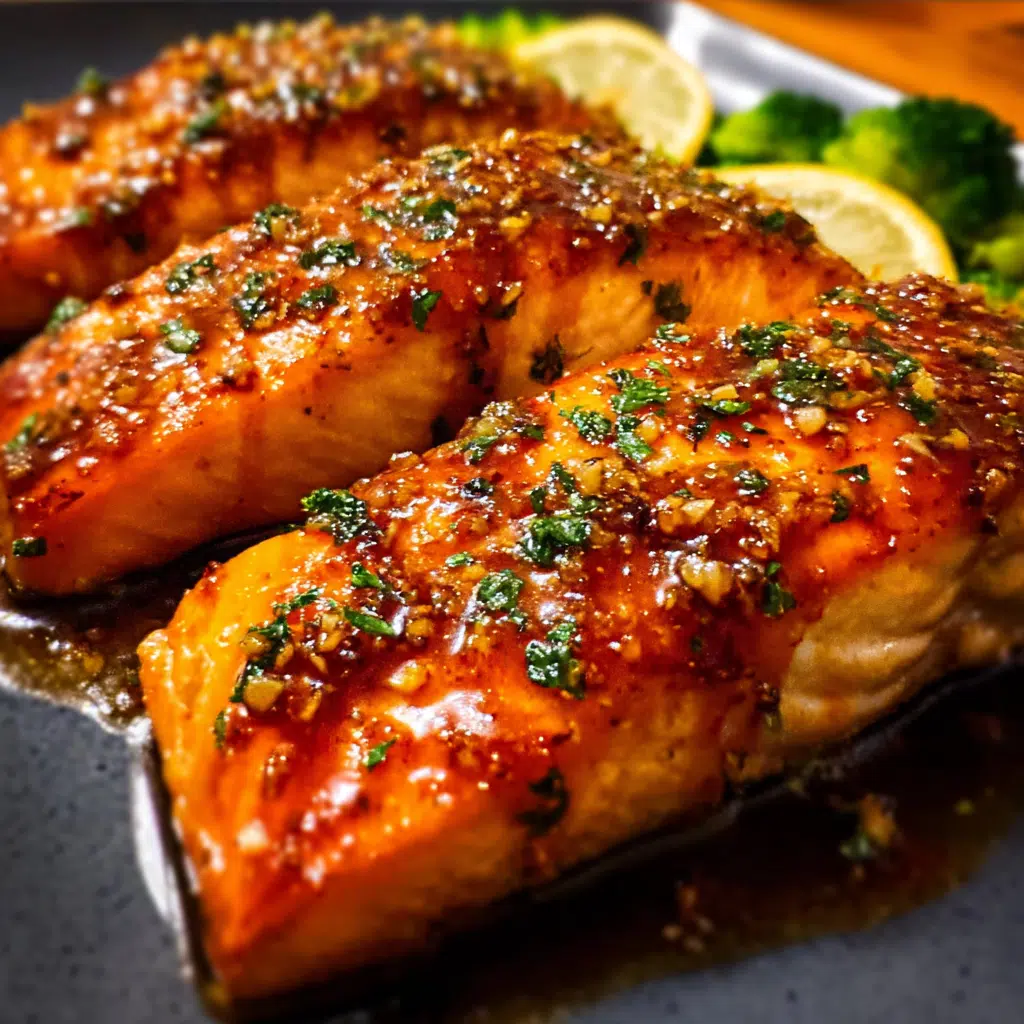
Garlic Salmon has completely transformed my weeknight dinners, and I’m thrilled to share this foolproof recipe with you today.
Hi, I’m Jack, and welcome to my kitchen at Cooks Foody! A few years ago, I found myself stuck in a dinner rut, constantly battling dry, overcooked fish that left my family reaching for takeout menus. That all changed when I perfected this honey garlic glaze that creates a caramelized, restaurant-quality crust while keeping the salmon incredibly moist inside.
This oven-baked honey garlic salmon delivers tender, flaky fish with a sweet-savory glaze that literally melts on your tongue. After years of experimenting with different cooking methods and flavor combinations.
I’ve mastered the perfect balance of temperature and timing that guarantees success every single time. Whether you’re a complete beginner or a seasoned home cook, this recipe will become your go-to for impressive yet effortless meals.
In this guide, I’ll walk you through everything you need to know: selecting the freshest salmon, creating the perfect honey garlic marinade, achieving that beautiful caramelized finish, and answering all your burning questions about cooking fish at home. Let’s dive into why this recipe has earned a permanent spot in my weekly rotation.
Why This Garlic Salmon Recipe Works
This oven-baked honey garlic salmon hits all the right notes for busy home cooks who refuse to compromise on flavor or nutrition. Here’s what makes it absolutely foolproof:
- Uses affordable, widely available salmon fillets No need to hunt down specialty fish or break the bank at fancy seafood markets
- Marinates in just 15 minutes for maximum flavor penetration The honey garlic mixture works its magic quickly, perfect for last-minute dinner decisions
- Ready in under 25 minutes total From fridge to table faster than most delivery options
- Foolproof oven method eliminates guesswork Consistent results every time without babysitting a stovetop
- Perfect for weeknight dinners or elegant entertaining Scales beautifully whether you’re cooking for two or hosting a dinner party
- Naturally gluten-free and packed with omega-3s Healthy eating that actually tastes indulgent
Choosing the Right Garlic Salmon
The foundation of exceptional garlic salmon starts at the fish counter. Let me share the insider knowledge that took me years to accumulate.
Best Salmon Cuts for This Recipe
Wild-caught vs. Farm-raised: I’ve tested this recipe with both, and honestly, either works beautifully. Wild-caught varieties like sockeye or coho offer a more robust, earthy flavor and firmer texture, while farm-raised Atlantic salmon provides buttery richness and affordability. For this honey garlic preparation, I slightly prefer farm-raised Atlantic salmon because its higher fat content creates an incredibly silky texture that contrasts perfectly with the caramelized glaze.
Fillet thickness matters: Aim for fillets that are 1 to 1.5 inches thick at the thickest point. This ensures the fish cooks evenly and stays moist throughout. Thinner fillets (under 1 inch) tend to overcook quickly, while thicker portions may need additional time.
Skin-on vs. skinless: I recommend keeping the skin on for two reasons. First, it acts as a protective barrier that prevents the delicate flesh from drying out. Second, if you broil the salmon for the final minute, the skin crisps up beautifully. However, skinless fillets work fine if that’s what you have available.
Buying Tips for Fresh Garlic Salmon
When selecting salmon at your grocery store or fish market, use your senses:
Visual inspection: Look for salmon with vibrant color (deep orange-pink for Atlantic, deeper red for sockeye) and a moist, glossy appearance. Avoid anything that looks dull, dried out, or has brown edges.
The sniff test: Fresh salmon should smell like clean ocean water, never fishy or ammonia-like. If it smells off, walk away.
Firmness check: Gently press the flesh with your finger. It should spring back immediately. If an indentation remains, the fish isn’t fresh.
Ask your fishmonger: Don’t be shy about asking when the salmon arrived and requesting to see different pieces. A good fishmonger will help you select the best option and can even portion it to your specifications.
Substitutions for Garlic Salmon
While salmon is the star here, this honey garlic glaze works beautifully with other fish:
Arctic char: The closest substitute, with a similar texture and slightly milder flavor Rainbow trout: More delicate but takes the glaze wonderfully Thick cod or halibut: For a firmer, meatier texture (adjust cooking time as these are denser) Mahi-mahi: Offers a sweeter flavor profile that complements the honey beautifully
Ingredients & Prep for Garlic Salmon
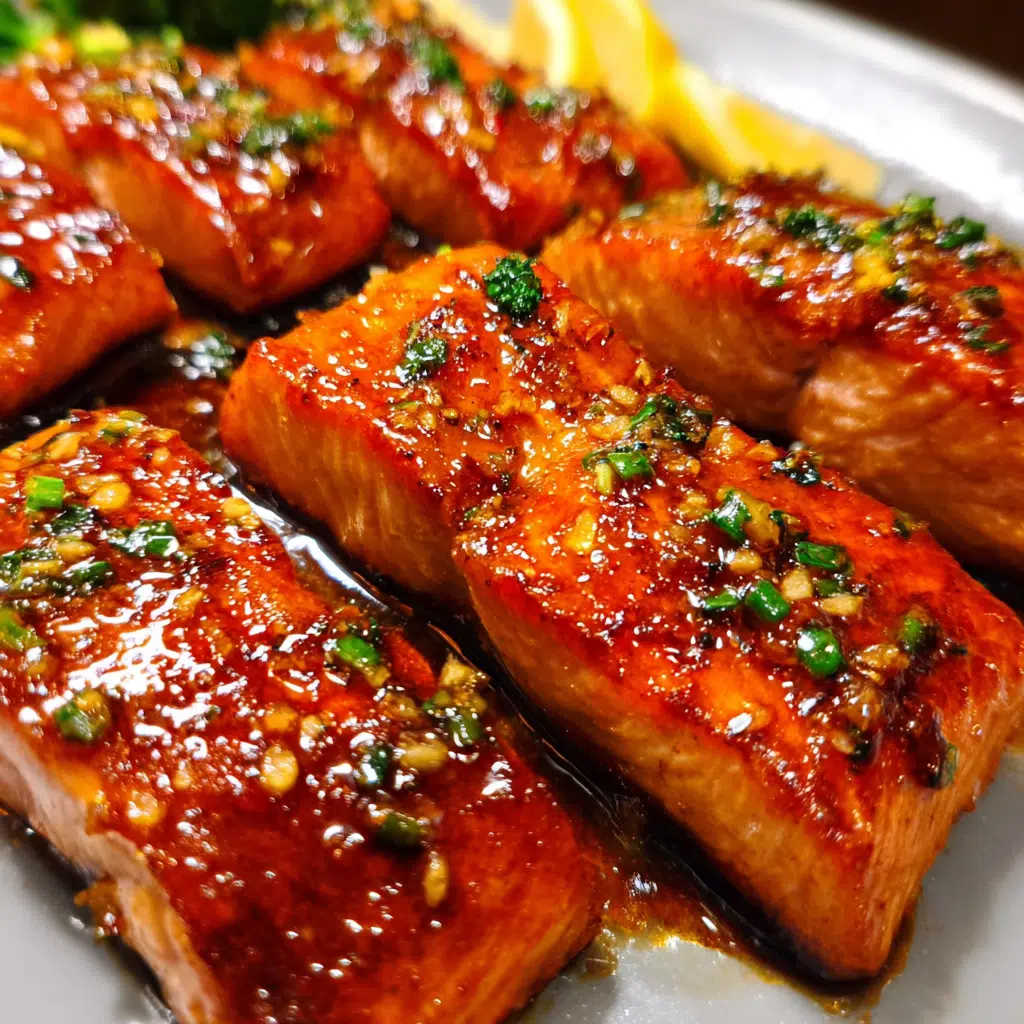
Let me break down everything you’ll need to create this restaurant-quality dish at home.
Salmon Prep Essentials
Pat it completely dry: This is the most critical step that most people skip. Use paper towels to thoroughly pat both sides of the salmon fillets until they’re completely dry. Moisture is the enemy of a good sear and caramelization.
Bring to room temperature: Remove salmon from the refrigerator 15 minutes before cooking. Cold fish dropped into a hot oven cooks unevenly, with an overcooked exterior and undercooked center.
Check for pin bones: Run your fingers along the fillet to feel for any remaining pin bones. Use clean tweezers or needle-nose pliers to remove them by pulling at a slight angle.
Score the skin (if keeping it on): Make three shallow diagonal cuts through the skin. This prevents the fillet from curling during cooking and helps the glaze penetrate.
Honey Garlic Marinade Components
Here’s what creates that irresistible glaze:
- 4 salmon fillets (6 ounces each, about 1 inch thick)
- 1/3 cup honey (raw or regular)
- 1/4 cup low-sodium soy sauce (or tamari for gluten-free)
- 6 cloves garlic, minced finely
- 2 tablespoons fresh lemon juice
- 1 tablespoon olive oil
- 1 teaspoon fresh ginger, grated
- 1/2 teaspoon black pepper
- 1/4 teaspoon red pepper flakes (optional, for heat)
- Fresh parsley for garnish
Marinating time: Whisk all marinade ingredients together in a bowl. Reserve 3 tablespoons for basting later. Place salmon in a shallow dish, pour the remaining marinade over, and let sit for 15 minutes at room temperature. Don’t exceed 30 minutes, as the acid from the lemon can start “cooking” the fish.
Pantry Staples for Perfect Garlic Salmon
Keep these basics stocked for spontaneous salmon nights:
- High-quality olive oil for brushing the baking sheet
- Fresh garlic (pre-minced jar garlic lacks the punchy flavor needed here)
- Real honey (avoid artificial honey-flavored syrup)
- Fresh citrus (lemon or lime)
- Low-sodium soy sauce (controls saltiness better than regular)
Step-by-Step Cooking Instructions for Garlic Salmon
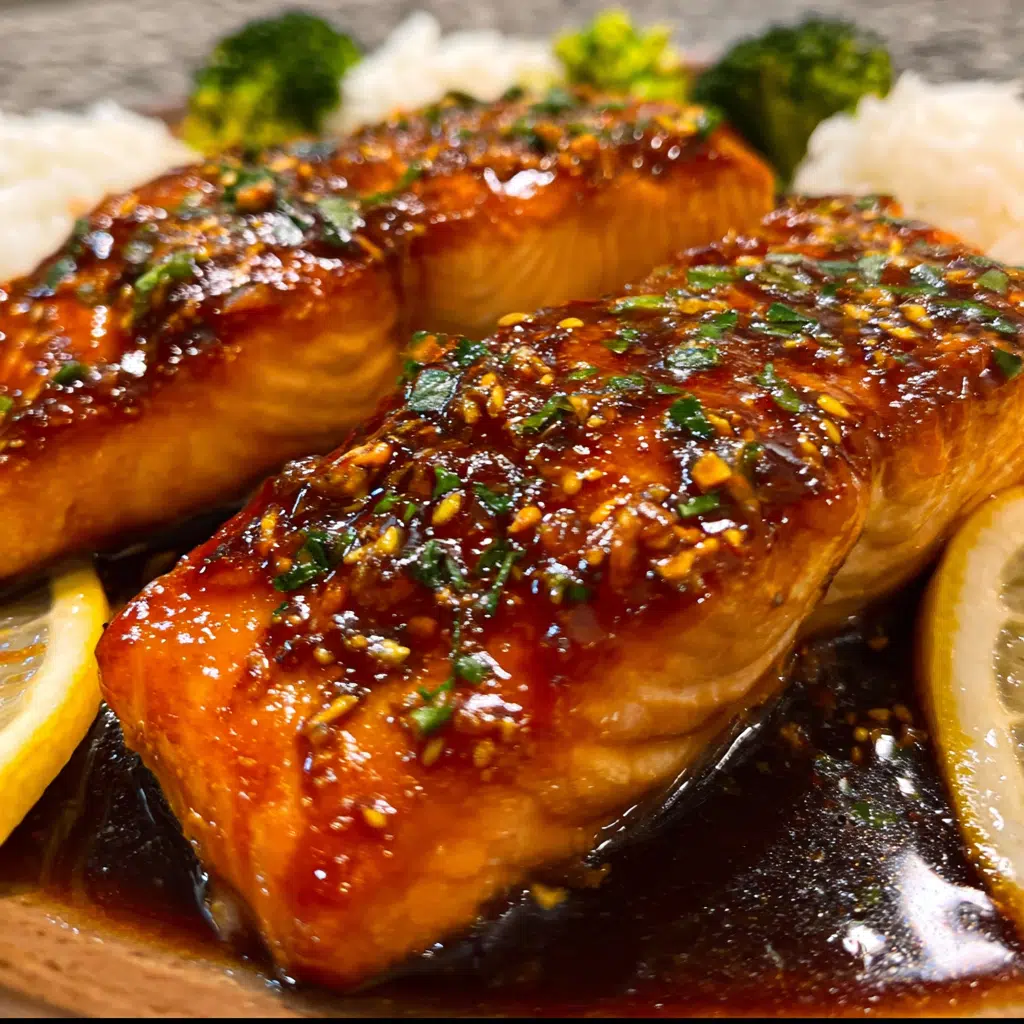
Follow this method exactly, and you’ll achieve perfection every single time.
Pre-Cooking Prep for Garlic Salmon
Step 1: Preheat your oven to 400°F (200°C). Position the rack in the center for even heat circulation.
Step 2: Line a rimmed baking sheet with parchment paper or lightly oil it with olive oil. This prevents sticking and makes cleanup effortless.
Step 3: Remove salmon from marinade, letting excess drip off. Place fillets skin-side down (if using skin-on) on the prepared baking sheet, spacing them at least 2 inches apart.
Step 4: Pour the reserved marinade into a small saucepan. Bring to a boil over medium heat and simmer for 2 minutes. This creates a safe basting glaze and thickens it slightly.
Cooking Method for Garlic Salmon
Step 5: Bake the salmon for 12-15 minutes, depending on thickness. At the 8-minute mark, open the oven and brush the fillets generously with the reduced glaze. Close the oven and continue cooking.
Step 6: For an extra caramelized top, switch to broil for the final 1-2 minutes. Watch closely as it can go from perfect to burnt quickly. You’re looking for golden-brown edges with slight charring on the garlic pieces.
Step 7: The honey in the glaze creates beautiful caramelization. You’ll know it’s ready when the glaze looks sticky and glossy, almost lacquered.
Doneness Check for Garlic Salmon
Internal temperature: Insert an instant-read thermometer into the thickest part of the fillet. You’re aiming for 145°F (63°C) for fully cooked salmon. However, many prefer salmon at 135-140°F for a slightly translucent center that’s incredibly moist.
Visual cues: The salmon should be opaque throughout with just a hint of translucency in the very center. It should flake easily when gently pressed with a fork but still hold together.
The gentle press test: Press the top of the fillet gently with your finger. It should feel firm but still have a slight give, similar to pressing the fleshy part of your palm below your thumb.
Resting Your Garlic Salmon
Step 8: This is crucial but often overlooked. Let the salmon rest on the baking sheet for 3-4 minutes after removing from the oven. During this time, residual heat continues cooking it gently (carryover cooking), and the juices redistribute throughout the fillet. If you cut into it immediately, those precious juices run out onto the plate instead of staying in the fish.
Step 9: Transfer to serving plates using a thin spatula, garnish with fresh parsley and lemon wedges, and drizzle any remaining glaze from the pan over the top.
If you enjoyed this recipe, be sure to share it with your friends or save it for later!
I’d love to see your unique twist feel free to share your photos on Pinterest
Pro Tips for Perfect Garlic Salmon
After making this recipe hundreds of times, here are the game-changing techniques I’ve discovered.
Avoiding Dry or Overcooked Garlic Salmon
Don’t overcook: This is the number one mistake. Salmon continues cooking after you remove it from the heat, so pull it out when it’s just shy of your target temperature. Better slightly underdone than overcooked and dry.
Use an oven thermometer: Many home ovens run hot or cold. A $10 oven thermometer ensures you’re actually cooking at 400°F.
Consider size variations: If your fillets vary in thickness, start checking the thinnest one a few minutes early. You can always remove pieces as they finish and let thicker ones continue cooking.
The aluminum foil tent method: If parts of the glaze start browning too quickly, tent that area loosely with aluminum foil while the center finishes cooking.
Tool Recommendations for Garlic Salmon
Instant-read thermometer: This $15-30 investment eliminates all guesswork. I use mine daily.
Rimmed baking sheet: The rimmed edges prevent the glaze from dripping into your oven and creating a smoky mess.
Silicone basting brush: Unlike traditional bristle brushes, silicone doesn’t absorb flavors or harbor bacteria, plus it’s dishwasher safe.
Fish spatula: The thin, slotted, angled design slides under delicate salmon perfectly without breaking the fillet.
Storage & Reheating Garlic Salmon
Refrigerator storage: Place cooled leftover salmon in an airtight container. It keeps for up to 3 days. I often intentionally make extra for meal prep.
Freezing: While possible, I don’t recommend freezing cooked salmon as the texture becomes grainy upon thawing. If you must freeze, wrap tightly in plastic wrap, then aluminum foil, for up to 2 months.
Reheating methods:
- Best method: Oven at 275°F for 10-12 minutes until warmed through
- Quick method: Microwave on 50% power in 30-second intervals
- Pro tip: Add a tablespoon of water or chicken broth to the container before reheating to prevent drying out
Cold salmon: Honestly, leftover garlic salmon is fantastic cold in salads or flaked over rice bowls.
Flavor Variations for Garlic Salmon
Once you’ve mastered the basic recipe, experiment with these delicious twists.
Spicy Garlic Salmon Twist
Transform this into a fiery version by adding:
- 1 tablespoon sriracha or gochugaru (Korean red pepper flakes) to the marinade
- Fresh jalapeño slices arranged on top before baking
- A drizzle of chili oil right before serving
- Cayenne pepper to taste in the honey glaze
The sweetness of honey balances the heat beautifully, creating an addictive sweet-spicy combination.
Keto & Paleo Garlic Salmon
This recipe is naturally keto-friendly, but here’s how to optimize it:
- Keto: The recipe as written fits keto macros perfectly. Each serving contains approximately 4g net carbs from the honey glaze.
- Paleo: Replace soy sauce with coconut aminos for a paleo-compliant version
- Whole30: Use coconut aminos and ensure your honey is compliant (or substitute with date paste during your Whole30)
Global Flavor Variations for Garlic Salmon
Asian-Inspired: Add 1 tablespoon sesame oil and 1 teaspoon five-spice powder to the marinade. Garnish with sesame seeds and sliced green onions.
Mediterranean: Replace half the soy sauce with balsamic vinegar, add fresh oregano and thyme, and finish with crumbled feta cheese.
Citrus Herb: Use orange juice instead of lemon, add fresh dill and tarragon to the marinade, and top with orange zest.
Maple Mustard: Replace honey with pure maple syrup and add 2 tablespoons Dijon mustard for a tangy-sweet glaze.
| Variation | Key Ingredient Swaps | Flavor Profile | Cooking Time Change |
|---|---|---|---|
| Classic Honey Garlic | None | Sweet, savory, balanced | Standard 12-15 min |
| Spicy Asian | + Sriracha, ginger doubled | Sweet-spicy-umami | Standard 12-15 min |
| Mediterranean | Balsamic vinegar, fresh herbs | Tangy, herbaceous | Standard 12-15 min |
| Maple Mustard | Maple syrup, Dijon mustard | Sweet-tangy, robust | Standard 12-15 min |
| Citrus Herb | Orange juice, dill, tarragon | Bright, fresh, aromatic | Standard 12-15 min |
| Teriyaki Style | Mirin, extra soy sauce | Deeply savory, glossy | Add 2-3 min for thicker glaze |
Serving Suggestions for Garlic Salmon
Complete your meal with these perfectly paired accompaniments.
Vegetable sides: Roasted asparagus with lemon, garlic green beans, honey-glazed carrots, or Brussels sprouts with balsamic reduction. The key is choosing vegetables that can roast alongside the salmon or cook quickly on the stovetop.
Starch options: Fluffy jasmine rice, creamy mashed cauliflower, buttery roasted baby potatoes, or quinoa pilaf. The starches help soak up that incredible honey garlic glaze.
Salad pairings: A crisp arugula salad with shaved parmesan and lemon vinaigrette cuts through the richness beautifully. Asian cucumber salad or a simple mixed green salad also work wonderfully.
Bread: Warm, crusty sourdough or garlic bread is perfect for mopping up every last drop of that glaze.
Beverage pairings: A crisp Sauvignon Blanc, unoaked Chardonnay, or light Pinot Noir complements the salmon beautifully. For non-drinkers, try sparkling water with lemon or iced green tea with honey.
FAQs About Garlic Salmon
Let me address the questions I receive most often about this recipe.
Can I use frozen salmon for this garlic salmon recipe? Absolutely! Just ensure it’s completely thawed first. The best method is overnight in the refrigerator. In a pinch, seal the salmon in a plastic bag and submerge in cold water for 30-60 minutes, changing the water every 15 minutes. Never thaw at room temperature or in hot water. Pat the thawed salmon extra dry as it releases more moisture than fresh.
How do I know if my garlic salmon is overcooked? Overcooked salmon appears very pale, has a chalky white substance (albumin) oozing from the surface, and flakes apart too easily into dry pieces. The texture becomes tough and stringy rather than tender and flaky. Prevention is key: use a thermometer and remove from oven at 140-145°F maximum.
Can I make garlic salmon ahead of time? You can prepare the marinade up to 2 days in advance and store it refrigerated. However, I recommend marinating and cooking the salmon fresh for best texture. If you must cook ahead, undercook it slightly and reheat gently.
Is this garlic salmon recipe safe during pregnancy? Yes, when cooked to 145°F internal temperature, salmon is safe during pregnancy and highly recommended for its omega-3 fatty acids. Ensure you’re using salmon from reputable sources and avoid raw or undercooked preparations. The FDA recommends 8-12 ounces of low-mercury fish like salmon weekly for pregnant women.
Why is my honey garlic glaze burning? The honey contains natural sugars that can burn at high temperatures. If you notice excessive darkening, tent the salmon loosely with foil or reduce oven temperature to 375°F and cook slightly longer. Make sure your oven isn’t running hot (use an oven thermometer to verify).
Can I cook garlic salmon from frozen? While not ideal, you can cook frozen salmon. Rinse under cold water to remove ice crystals, pat dry, and increase cooking time by 5-8 minutes. The texture won’t be quite as good as properly thawed salmon, and marinating isn’t possible, so brush the glaze on during cooking instead.
What’s the white stuff on my cooked garlic salmon? That’s albumin, a harmless protein that coagulates when heated. It appears more prominently when salmon is cooked too quickly or at too high a temperature. While harmless, it’s not attractive. Prevent it by bringing salmon to room temperature before cooking and not exceeding 145°F.
How can I tell if salmon has gone bad? Trust your senses. Bad salmon smells strongly fishy or ammonia-like, has a slimy texture, and appears dull or grayish. Fresh salmon should smell like the ocean and have bright, vibrant color. When in doubt, throw it out.
Conclusion
This oven-baked honey garlic salmon has become a cornerstone recipe in my kitchen at Cooks Foody, and I’m confident it’ll earn the same status in yours. The combination of sweet honey, pungent garlic, and perfectly cooked salmon creates a meal that feels special enough for guests yet simple enough for busy Tuesday nights.
Print
Garlic Salmon Recipe 5 Secrets to Perfect Honey-Glazed Fish
- Total Time: 30
- Yield: 4 1x
Description
This oven-baked honey garlic salmon features tender, flaky fish with a sweet and savory glaze that caramelizes beautifully. Ready in just 25 minutes, it’s perfect for weeknight dinners or elegant entertaining. The honey and garlic create an irresistible flavor combination that will make this your new favorite salmon recipe!
Ingredients
4 salmon fillets (6 ounces each, about 1 inch thick)
1/3 cup honey
1/4 cup low-sodium soy sauce (or tamari for gluten-free)
6 cloves garlic, minced finely
2 tablespoons fresh lemon juice
1 tablespoon olive oil
1 teaspoon fresh ginger, grated
1/2 teaspoon black pepper
1/4 teaspoon red pepper flakes (optional)
Fresh parsley for garnish
Lemon wedges for serving
Instructions
1. Preheat oven to 400°F (200°C) and line a rimmed baking sheet with parchment paper.
2. In a bowl, whisk together honey, soy sauce, minced garlic, lemon juice, olive oil, grated ginger, black pepper, and red pepper flakes. Reserve 3 tablespoons of marinade for later.
3. Pat salmon fillets completely dry with paper towels. Place in a shallow dish and pour marinade over them. Let marinate for 15 minutes at room temperature.
4. Remove salmon from marinade and place skin-side down on prepared baking sheet, spacing fillets 2 inches apart.
5. Pour reserved marinade into a small saucepan, bring to a boil, and simmer for 2 minutes to create basting glaze.
6. Bake salmon for 12-15 minutes. At the 8-minute mark, brush fillets generously with the reduced glaze.
7. Optional: Switch to broil for the final 1-2 minutes for extra caramelization, watching closely.
8. Check internal temperature with an instant-read thermometer; it should reach 145°F (or 135-140°F for slightly translucent center).
9. Remove from oven and let rest for 3-4 minutes before serving.
10. Transfer to plates, garnish with fresh parsley and lemon wedges, and drizzle with any remaining glaze from the pan.
Notes
For best results, bring salmon to room temperature 15 minutes before cooking for even cooking.
Don’t marinate longer than 30 minutes as the acid can start “cooking” the fish.
If your fillets vary in thickness, check the thinnest one first and remove as they finish cooking.
The salmon is done when it flakes easily but still holds together. It will continue cooking during the resting period.
Leftover salmon keeps refrigerated for up to 3 days and is delicious cold in salads or grain bowls.
You can substitute coconut aminos for soy sauce to make this paleo-friendly.
- Prep Time: 15
- Cook Time: 15
- Category: Main Course
- Method: Baking
- Cuisine: American, Asian-Fusion
Nutrition
- Serving Size: 1 fillet (6 oz)
- Calories: 340
- Sugar: 18g
- Sodium: 620mg
- Fat: 12g
- Saturated Fat: 2g
- Unsaturated Fat: 8g
- Trans Fat: 0g
- Carbohydrates: 22g
- Fiber: 0g
- Protein: 36g
- Cholesterol: 95mg
Keywords: garlic salmon, honey garlic salmon, baked salmon, oven baked salmon, easy salmon recipe